
Electronic Health Records (EHR): Why They Matter in Medical Billing and Coding
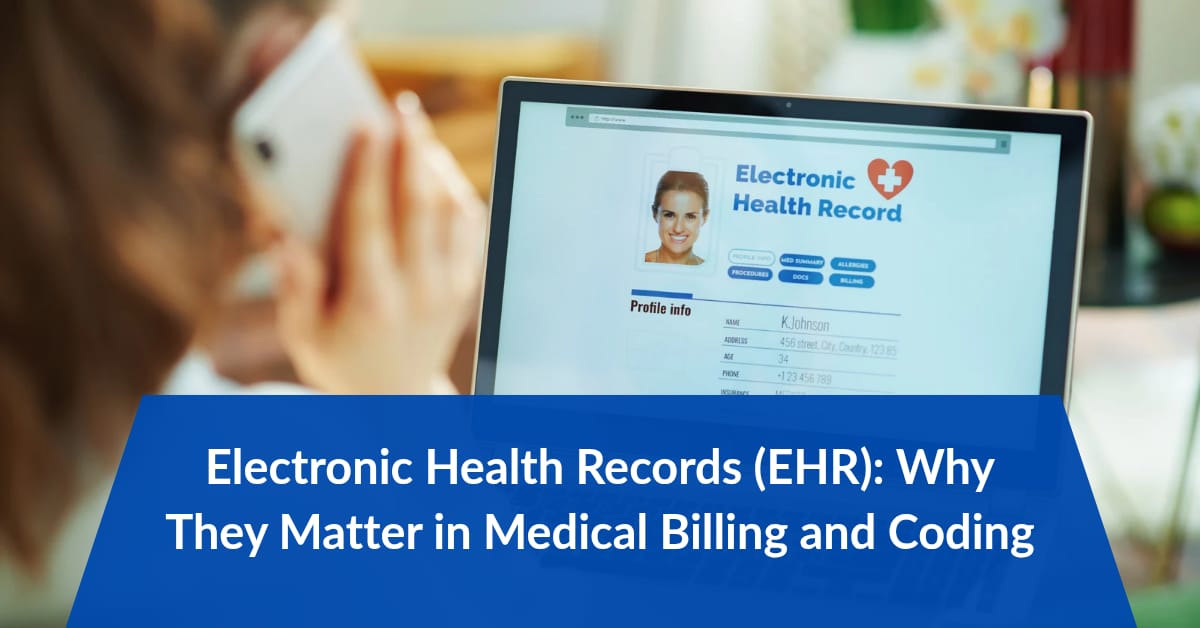
Technology is reshaping every industry. Quietly. Constantly. Healthcare is no exception. Electronic Health Records (EHRs) are a prime example a digital evolution of traditional paper charts. Built to store patient data, yes. But also to move faster. Smarter. With fewer errors. Authorized healthcare professionals can access records instantly. No files. No delays.
Many people assume EHR systems exist only to manage patient information. That’s a common misconception. A small one, but important. In reality, EHRs sit at the core of medical coding and billing. They don’t just store data—they translate it. Into codes. Into claims. Into revenue.
This guide explores how EHR software supports healthcare providers. A process that is detailed. Technical. And unforgiving. We’ll break down EHR systems, their types, and the role they play in keeping healthcare practices financially stable. Functional. Alive. So buckle up. Let’s get into it.
What Exactly Is an Electronic Health Record (EHR)?
Think of an EHR as your patient’s paper chart, but digital. Real-time. Patient-focused. Secure. Instant access for authorized users. No more digging through files. No more waiting.
Inside? Everything matters. Medical history. Diagnoses. Treatments. Prescriptions. Allergies. Immunizations. Lab results. It doesn’t stop at the basics. EHRs go beyond the usual office notes. They provide a fuller, richer picture of patient care.
EHRs are more than storage; they’re health IT in action. They can:
- Record the patient’s medical history, treatment plans, prescriptions, diagnoses, allergies, immunization dates, and lab results.
- Give providers evidence-based tools to make informed care decisions.
- Automate. Streamline. Make workflows smoother for healthcare teams.
- Simple. Powerful. Essential.
Different Kinds of EHR Systems
Electronic Health Records (EHR) aren’t one-size-fits-all. There are three main types.
Cloud-Based EHRs
Think Google Drive or Dropbox. That’s cloud storage. Cloud-based EHRs store data off-site—in the cloud. HIPAA rules? Always. Only authorized staff get access. Extra layers. Extra protection. Patients’ info stays safe.
Physician-Hosted EHRs
Old-school style. Data lives on on-site servers. Managed by the clinic, hospital, or senior care facility. Not just for doctors. Anyone authorized can access. Control is local. Responsibility too.
Remotely-Hosted EHRs
Data sits on third-party servers owned by the vendor. Cloud is common. Sometimes, dedicated servers for specific organizations. Vendor manages it. Secure. Accessible. Flexible.
EHR Systems for Medical Billing and Coding
Medical billing and coding? Tricky. Lengthy. Easy to mess up. Traditionally, claims are keyed manually. Mistakes happen. First-pass resolutions fail. Admin time piles up.
EHRs change that. They reduce manual entry. Cut mistakes. Streamline workflow. Less paper. Less headache. More focus on patients.
Importance of EHR in Medical Billing and Coding
Efficiency. That’s the main perk. EHRs prevent staff from entering the same data twice. Coding and billing? Faster. Smoother. Insurance claims? Sent in minutes. Reimbursements? Quicker.
Staff can audit more encounters. No slogging through paper superbills. Sharing records? Click, click, done. Faster than printing or mailing.
Result? Staff spend time on core duties. Productivity rises. Costs drop. Coding with EHRs saves time. Cuts overhead. Makes work easier.
Benefits of Leveraging EHR for Medical Billing and Coding
An EHR-integrated medical billing system brings multiple benefits to your healthcare organization. Real, tangible advantages.
Higher Reimbursement Rate
Steady cash flow is critical for any healthcare practice. Yet many practices struggle with delayed payments. More than we often realize.
Common reasons for denied or rejected claims include:
- Coding errors
- Claim form errors
- Missing submission deadlines
These issues usually stem from manual data entry, poor program settings, or overworked staff. Using EHR billing integrations, your team can:
- Store all relevant info in one place
- Set notifications for claim deadlines
- Use pre-filled patient data
- Align coding with clinical documentation
A well-prepared claim is essential. Integrating billing software into your EHR reduces double entry, human mistakes, and coding errors. Your facility can boost reimbursements just by leveraging a strong EHR system.
Better Interoperability
EHR billing integrations are highly interoperable. Data can be shared with other providers who need it. Sensitive info stays protected. External parties can still use collected data to improve patient care.
Interoperability isn’t just about external programs. It also smooths internal operations. One system. All info in one place. Fewer errors. Simplified claim filing. Centralized systems detect and respond to security breaches. Staff can handle sensitive info with less stress.
Reduced Account Receivable Balance
Delayed reimbursements and denied claims can hurt cash flow. Many practices can’t expand or serve more patients because of this.
Billing Process Automation
Automation is key in the 21st century. Manual billing? Expensive. Time-consuming. Even error-free claims take time if entered manually. Rejected claims? More delays. Automation detects errors early. Saves time. Cuts costs. Improves your practice’s reputation.
Enhanced Patient Satisfaction
Patient satisfaction is a top priority. Fewer billing errors mean happier patients.
Insurance eligibility verification software in your EHR helps practitioners see what’s covered before billing. Clear info, fewer surprises. Verifying insurance upfront streamlines the process and improves satisfaction.
Things to Consider When Implementing EHR Systems
This section walks you through a checklist for implementing EHR software at your practice. Focus on these key areas.
Invest in Training
Training is critical. Staff should learn documentation, coding, billing, and data security. Make it continuous. Tailor it to different job roles. The goal? Accuracy. Confidence. Efficiency.
EHR Customization and Integration
Customize your EHR. Integrate with billing and practice management software. Data flows more easily. Billing speeds up. Mistakes drop.
Regular Updates and Continued Support
EHR systems need regular updates. New features. Regulatory compliance. Bug fixes. Staff questions. Troubleshooting. Smooth billing operations.
Collaborative Partnerships
Work with EHR vendors and healthcare IT experts. They help overcome deployment issues and optimize your system. Expertise. Guidance. Best practices. Integration success.
Achieve Medical Billing Efficiency with MedyraTech
Maximizing your EHR for medical billing can feel overwhelming. Don’t worry. MedyraTech has you covered. We don’t sell EHR software, but we make your system work smarter.
Our certified professional coders (CPC) leverage ICD-10 and CPT knowledge to improve coding accuracy. Result? Fewer denials. Faster reimbursement.
Billing regulations keep changing. We stay current. Ensure coding and billing meet the latest rules. Avoid penalties or rejected claims.
We use data analytics to spot billing discrepancies early. Proactive approach. Less denials. Full reimbursement.
Our team knows all major medical billing software. Smooth interface with your system. Accurate data transfer. Minimal errors.
Partnering with MedyraTech gives you a billing team that acts as an extension of your practice. Maximize efficiency. Accuracy. Compliance. Let us handle billing so you can focus on patient care.
Final Thought
EHRs are transforming healthcare. Better communication. Improved patient care. Faster scheduling. Streamlined medication management. Technology keeps moving. And so will EHRs.
This guide showed how EHRs support complex billing operations. Struggling with piling accounts receivable? MedyraTech is here to help. We are your professional medical billing and RCM partner.