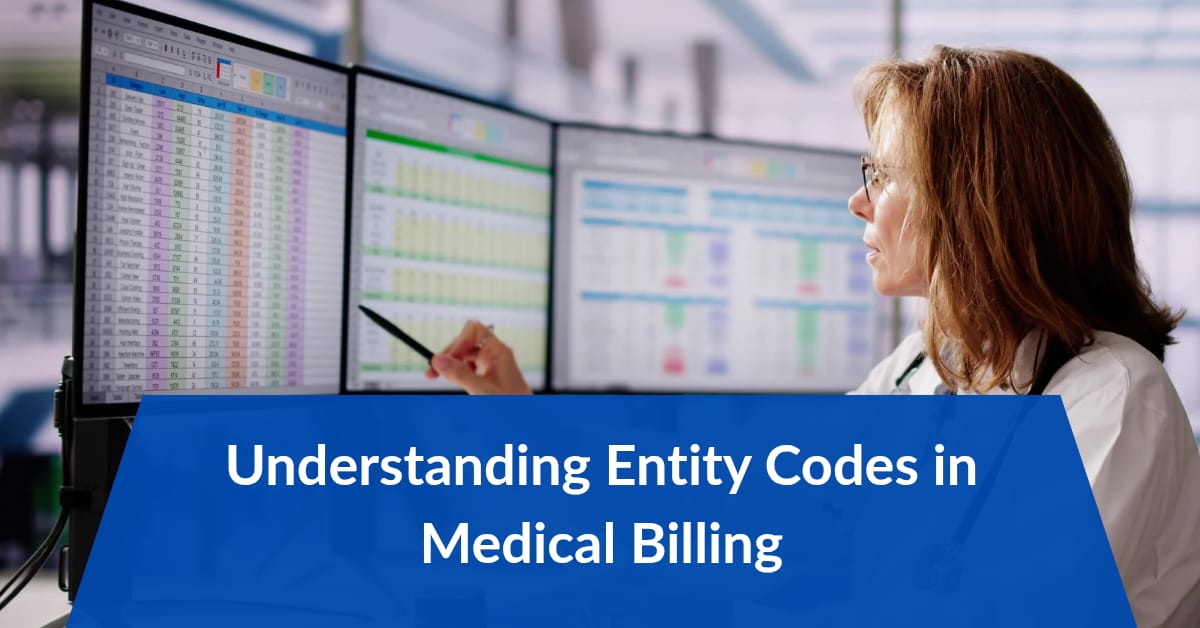
Understanding Entity Codes in Medical Billing
Identifiers are essential for processing online data. Especially in billing. An entity code serves exactly this purpose. It identifies the different entities involved entity codes in medical billing process healthcare providers like doctors, hospitals, or clinics. Patients. Insurance companies. Even third-party billing services.
If you work in healthcare or medical billing, you likely already know why these codes matter. For beginners, though, this guide breaks it all down. From what entity codes are, to their benefits, to how they function in medical claims. Understanding them helps reduce errors. And prevents claim rejections.
Entities in Medical Billing
Most of us know the word entity. It means something independent. Something with its own identity. A person. A business. A corporation. Simple enough. But does it mean the same thing in medical billing?
The short answer yes. It does.
In short, it’s a key medical term. Understanding these entities allows for more accurate coding. Better claims processing. And smoother reimbursements.
Importance of Entity Codes in Medical Billing
Entity codes play a critical role in medical billing. They help insurance companies process claims accurately. Faster. Cleaner. These codes ensure claims reach the correct entity and make it easier to identify healthcare providers. Communication improves. Coordination gets smoother across the healthcare system.
They also increase claim approval rates. And support compliance with regulations like the Health Insurance Portability and Accountability Act of 1996. The result? Safer, more secure transactions. In short, entity codes streamline billing and build trust within the healthcare industry.
Entity Code Errors and Prevention Techniques
Correct entity codes help medical bills move forward smoothly. Incorrect ones do the opposite. They slow everything down. Cause revenue leakage. And lead to claim denials or payment delays. Before fixing the problem, it’s important to know where things usually go wrong.
Common Entity Code Errors
Missing or Incorrect Patient Member ID
This usually happens due to incomplete or incorrect patient information. Often, because insurance coverage changed. Or wasn’t active at the time of service. It can also occur when a claim is sent to the wrong entity.
Outdated Entity Codes
Healthcare changes constantly. When entity codes aren’t updated, errors follow. Claims stall. Payments get delayed.
Mismatched HICN
A mismatched Health Insurance Claim Number often appears during claim corrections or resubmissions. The fix is simple. Use the original HICN from the initial claim.
Missing Entity Code
One of the most common mistakes. It happens when a biller fails to identify an entity—such as the patient or provider—on the claim. Small miss. Big impact.
Prevention Techniques
Preventing these errors doesn’t require guesswork. Just consistency.
Verify the Payer ID
Confirm the payer ID before submission. If the claim went to the wrong insurer, edit it. This ensures the right payer processes and pays the claim.
Gather Accurate Information
Collect complete patient details. Member ID. Address. Insurance data. Then double-check everything before entry. Accuracy matters here.
Check the Patient’s Insurance Coverage
Verify coverage status in advance. Look for recent changes. New plans. Lapsed policies. This step alone reduces rejection risks.
Cross-Check the HICN
When resubmitting a claim, review the HICN carefully. Always include the original claim number to avoid mismatches.
Small checks. Big difference.
Role of Entity Codes in Medical Claims
Entity codes play a vital role in medical claims. They simplify the process. Reduce friction. Save time. In simple terms, proper entity coding speeds up billing and lowers the chances of claim denials.
When entity codes are correct, insurance companies receive clear, accurate information. They can quickly identify who provided the service and who is responsible for payment. Patients benefit. Providers benefit too. Care and reimbursements move faster. Fewer delays. Less confusion.
Conclusion
Entity codes aren’t just details. They are the heart of claims. When you use them right, every party is found. Providers. Patients. Payers. This clarity is what matters most. It speeds up reviews. It stops the back-and-forth. Denials are what lower the risk of.
We talked about why codes are important. They support compliance. They make communication better. We looked at errors. Missing IDs. Old codes. Mismatched HICNs. Small mistakes? Yes. But they cost you. They slow down the money. Revenue leakage is a real problem.
You can prevent this. Verify the payer IDs. Get the patient info right. Check the coverage first. Cross-check the numbers when you resubmit. These steps are routine. But they make a difference. They keep claims clean. They keep the payments moving. It works.
Managing this isn’t simple. Rules change. Data shifts. Work is heavy. For many a practice, keeping up is overwhelming. It is too much. Partners help. Medyratech handles the coding. We do the docs. We submit with precision. Our team likes accuracy. Compliance. Speed. You get fewer denials. You get faster money. A healthy revenue cycle is the result. With us, codes aren’t a hurdle. They work for you.