Understanding the Electronic Health Record in Medical Billing
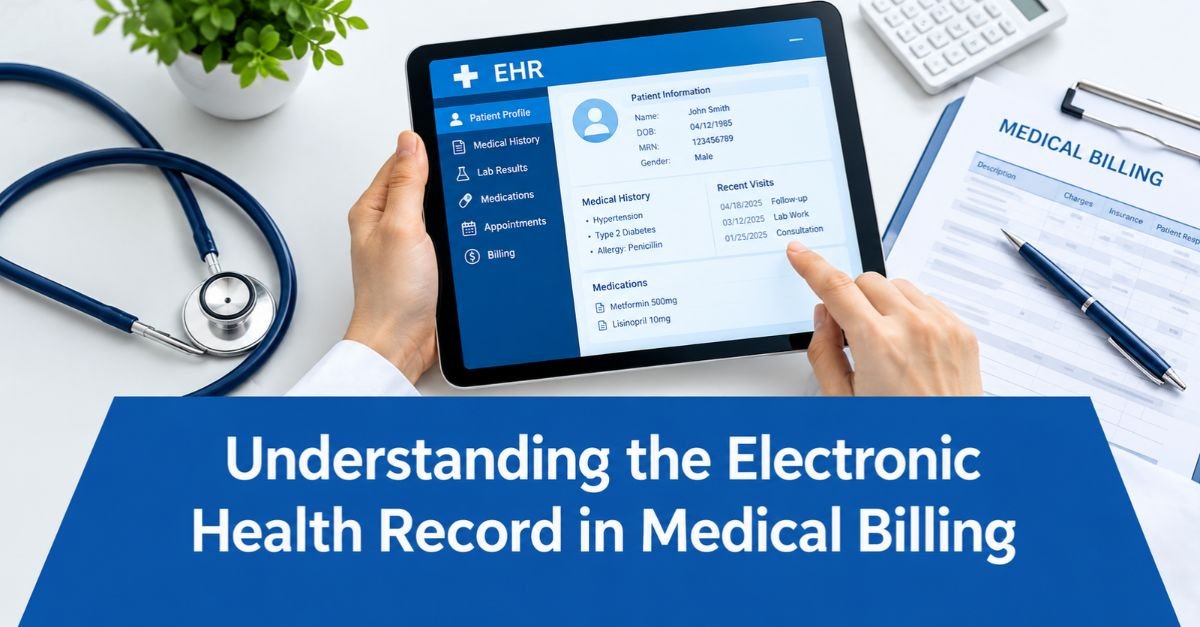
Ninety-six percent of non-federal hospitals use them. Almost eighty percent of office physicians too. Certified electronic health record systems are everywhere. You know this fact. But what actually is it? A digital timeline. Kept by the provider over the years. It holds the complete health history. Treatments go here. Medications and test results too. Demographics remain stored safely. Then there is the interoperability. It shares protected health information securely. Providers connect without friction. Patient portals come standard now. Secure messaging happens. Appointments get booked. Payments clear fast. Practices use this tool heavily. Patient satisfaction climbs upward. Billing workflows straighten out completely. Everything you need to know sits below. Keep reading.
Why Practices Need These Systems
Benefits exist for medical billing. Healthcare providers see the impact daily.
- Patient records centralize. Specialists and practitioners stare at the same screen. Data sharing happens seamlessly. Clinical decisions become highly informed.
- Handwriting causes disastrous errors. EHRs stop this entirely. Illegible notes disappear. Allergy lists stay updated forever. Medication lists refresh constantly. Drug interactions trigger sudden alerts.
- Clinical documentation bridges directly. Billing workflows connect tightly. The final outcome? Charge capture becomes wildly accurate. Clean claim rates improve.
- Built-in data security exists. Privacy controls lock down sensitive files. Structured reporting runs quietly. Federal laws get followed. State laws too. Payer guidelines are strictly met.
- Patients gain immense power. Secure portals launch. Appointments get scheduled by them directly. Lab results are viewed early. Refills get requested. Care teams get direct messages.
These electronic systems act as the operational backbone. Modern healthcare demands it. We build a structured clinical foundation from scratch. End-to-end billing support is streamlined. Revenue cycle performance is maximized.
System Types Broken Down
Scope matters. Specialization varies. Deployment models change entirely. We touch on the major ones now.
Deployment Models
- Cloud-Based. Secure off-site servers host them. Mobile apps grant fast access. Web browsers work too. Multi-location access is easy. Software updates happen automatically. Compliance updates roll out. Upfront costs stay quite low. Small primary care clinics love this. No local servers to maintain.
- On-Premise. Local installation happens. Internal servers hold the data physically. Hardware gets bought. Capital investment runs high. Dedicated IT staff is completely required. Control over storage is absolute. Custom infrastructure gets built. Orthopedic groups often prefer this. Total IT control remains theirs alone.
- Hybrid. Features combine. Local storage keeps sensitive files perfectly safe. Cloud capabilities allow remote access. Off-site backups run constantly. Medical practices want flexible solutions. Regional clinics do this often. Sensitive charts stay local. Cloud services handle the massive backups.
- Open-Source. Source code is totally accessible. Practices modify it freely. Systems get built upon. Software development expertise is heavily required. Customization takes hard work. Security needs maintenance. License fees do not exist. Community health centers hire specific developers. Tailored clinical features emerge on free code bases.
Scope and Specialization
- Specialty-Specific. Highly tailored software is demanded. Pre-built clinical templates load fast. Diagnostic devices integrate smoothly. Specialized coding works for niche medical fields. Dermatology practices use this. Interactive 3D body maps track skin lesions closely.
- Ambulatory Outpatient. Outpatient clinics need this. Medical groups and private physicians too. E-prescribing takes intense focus. Preventive wellness tracks over time. Primary care charting flows. Outpatient billing moves quickly. Family medicine providers manage routine visits. Walk-in patients get treated.
- Inpatient Hospital. Multi-department environments are complex. Hospitals run non-stop. Continuous patient stays get tracked. Real-time vitals are monitored without sleep. Bed management organizes. Surgery schedules align. Central pharmacies take heavy orders. A massive hospital tracks everything seamlessly.
- Enterprise Integrated. Multi-facility networks need aggressive connection. Administrative apps link up. HR and supply chains integrate. Complex revenue cycles merge. Enterprise-grade systems do this. Nationwide health networks connect dozens of independent sites.
- All-in-One General. Adaptability is high. Scope is broadly thrown. Core charting meets deep scheduling. Patient portals combine. Billing modules join the standard system. General practices use this default.
Selecting the Right Fit
Confusion happens. Market options overwhelm everyone. We break it down easily. Look at practice size first. Clinical specialty matters. Available budget limits choices. Internal IT capacity needs hard evaluation. Interoperability might be highly necessary. Answer these first. Explore the wide options. Shortlist the exact matches. Clinical workflows must align perfectly. Data-exchange needs matter. Say three vendors remain. How do you actually pick? Ask very hard questions. Contract end terms matter. Lock-ins happen often. Hidden exit fees trap clinical data. Go-live times vary wildly. Downtime periods exist. Price alone should never drive this serious choice.
Core System Functions
- Centralized Record Management. Real-time histories sit in one giant repository. Past diagnoses live here. Medication profiles too. Imaging results and labs are stored securely. Immunization records are stored. Treatment plans continue forward.
- Clinical Decision Support. Diagnostic accuracy improves radically. Patient safety scales. Drug interactions flag automatically. Lab values show up as abnormal. Patient allergies flash red. Preventive screenings show overdue. The point of care gets smarter.
- Data Interoperability. Data exchange happens seamlessly. Multidisciplinary teams connect tightly. Primary care providers talk. External specialists see the exact files. Informed clinical decisions result. Up-to-date histories make it happen.
- Billing and Administrative Integrations. Billable clinical events are captured instantly. Chart notes provide the raw data. Built-in coding suggestions appear. Structured claims data forms cleanly. Documentation errors minimize rapidly. Billing workflows accelerate.
Understanding the Acronyms
People interchange them daily. Casual conversations blur the rigid lines. Interoperability separates them. Shareability scope is the true distinction. An electronic medical record is literally a digital paper chart. One practice uses it. An EHR shares heavy information across multiple outside providers. A personal health record is controlled completely by the patient.
- PHR. Patient-managed summaries. Self-reported data lives right here. Symptoms get tracked. Patients or family caregivers manage it completely. Data is patient-gated tightly. Providers get access only when explicitly granted. Individuals track long wellness goals. Home vitals get logged daily.
- EMR. Provider-centric records. Clinical notes stay heavily restricted. One single practice owns it. Clinicians and internal staff maintain it strictly. Access remains firmly isolated. Data sharing requires slow faxing. Exporting is manual. Internal documentation is streamlined. E-prescribing happens entirely in-house.
- EHR. Comprehensive medical histories compile. All treating providers contribute files. Labs and distinct facilities connect. Multidisciplinary teams co-manage it all. Updates happen across separate entities. Access is broad. Data exchanges seamlessly. Health systems talk. Unified billing optimizes. Population health gets strictly managed.
Mistakes Dropping Down
Systems genuinely reduce errors. Real-time safety nets trigger immediately. Drug interactions cause loud alerts. Unsafe dosage thresholds flash. Duplicate test orders stop cold. Clinical documentation standardizes. Typed text violently replaces handwriting. Structured dropdowns force clarity. Pre-built templates load. Misread prescriptions vanish completely. Illegible paper charts die out. Cross-specialty access happens immediately. Missing medical histories cause adverse events. Not anymore. Past diagnoses stay visible. Unrecorded treatments appear. Still, errors are not eliminated. Alert fatigue happens constantly. Clinicians ignore frequent blaring warnings. Copy-paste habits form. Fresh clinical risk is unfortunately born.
Frequent System Blunders
Mistakes still aggressively occur.
- Incorrect Data Entry. Basic and incredibly common. Millions of medication errors happen yearly. Typos cause massive identity confusion. Prescription errors follow. Mistyped names and birth dates ruin things. Insurance details fail. Payment delays result in severe consequences. Inappropriate dosages get administered dangerously.
- Outdated Information. Administrative tasks get heavily rushed. Patient records miss vital updates. Post-encounter notes totally fail. New diagnoses go totally missing. Treatment progress stalls. Wrong plans get bizarrely recommended. Outdated information risks lives.
- Inconsistent Data. Interoperability issues plague most medical providers. Systems fail to exchange information smoothly. A patient visits one local hospital. A specialist sits in another faraway center. The specialist needs the full history. Interoperability gaps create massive discrepancies. Missed charges happen. Medication errors occur. Redundant tests cost serious money. Unnecessary expenses pile up fast.
- Duplicate Data. Human oversight duplicates random entries. Minor problems become major fast. Redundant patient data stacks. Overbilling bizarrely results from duplicate tests and false diagnoses.
- Incomplete Documentation. Missing patient information causes utter chaos. Clinician notes turn terribly vague. Confusion spreads. Healthcare providers grow deeply frustrated. Billing teams suffer deeply. Applying correct billing codes becomes impossible. Medical necessity lacks justification. Insurance payers aggressively deny claims.
Fixing the Records
Strict administrative protocols exist. Corrections follow hard rules. Compliance and legal integrity matter deeply.
- Addenda Over Deletion. Original clinical entries are never erased. Databases keep absolutely everything. Corrections become officially signed addenda. Amendments are fully recorded. Original text is preserved perfectly. Updated information displays clearly. Timestamps mark the precise change. Author identity locks via unalterable audit logs.
- Authorized Personnel Protocols. Amendments follow strict compliance policies. Original authors carefully execute the change. Designated administrative personnel step in sometimes. Strict peer reviews happen first.
- Audit Trail and Legal Protection. Standard administrative protocols must definitely be adhered to. Payer audits ruthlessly happen. Legal malpractice defense requires it heavily. HIPAA compliance is strictly non-negotiable. Medicare guidelines aggressively demand it. Regional regulations heavily apply.
- Patient-Requested Amendments. Patients directly request changes. HIPAA grants this exact legal right. Inaccurate information gets challenged. Practices evaluate these specific requests. Formal tracking happens systematically. Responses must securely occur within statutory legal timelines. Sixty days is the harsh standard.
Executing the Fix
Clinical staff follow distinct operational workflows. Step one is identifying deep inaccuracies. Routine record audits find them. Staff reports help significantly. Patient feedback during follow-ups works remarkably well. Step two means reviewing practice policies thoroughly. Total compliance is formally ensured. Original treating providers execute the specific change. Step three appends a brand new entry. Details of the change are securely recorded. Original data firmly remains. Unalterable, timestamped audit logs are automatically generated. Step four alerts the active staff. Clinical and busy billing teams must know. The updated record is used. Care planning proceeds quite safely. Step five aggressively cross-checks the chart. Consistency highly matters. Ongoing staff training routinely happens. Automated system checks run. Future mistakes are drastically minimized.
Bringing the System Online
Transition fears exist. Worries get fully dumped here. Implementation beautifully aligns technology with raw operations. Operational friction is sharply minimized. Practice cash flow is fully protected. Serious challenges happen. Post-implementation reviews deeply matter.
Implementation Steps
- Need Identification. Practice needs are heavily assessed. Ambitious goals get set. Clinical workflows undergo thorough evaluation. Software gaps vividly show up. Third-party integrations become glaringly clear. Key performance metrics are formally defined.
- Vendor Selection. Exhaustive research starts. Vendors face rigorous testing. Specialty compatibility smoothly checks out. Interfaces genuinely need to be user-friendly. Interoperability is thoroughly tested. Customer support matters. Total cost of ownership is compared. The absolute best fit wins.
- Data Mapping. Complete migration planning starts deeply. Historical patient records are thoroughly cleaned up. Vital demographics are validated. Active treatment data maps out securely. Legacy databases are emptied into the new system.
- Role-Based Training. Targeted intensive sessions are delivered. Clinicians meticulously learn one way. Billing specialists thoroughly learn another. Front-desk staff get strictly trained. High system fluency goes upward.
- Phased Go-Live. Gradual, careful deployment begins. Individual departments go one by one. Parallel-system pilots quietly run. Widespread operational shock gets successfully mitigated.
Common Challenges
Patient throughput drops remarkably initially. Physicians adjust slowly to new, confusing interfaces. Charting brutally takes time. Staff stubbornly resist changing deeply established habits. Old scheduling habits stick hard. Dangerous data mapping errors happen. Missing medical histories randomly pop up. Corrupt data formatting stalls things. Unlinked billing profiles absolutely ruin claims. Total interoperability failures violently occur. Essential lab and imaging platforms suddenly stall. Massive revenue cycle systems break. Important safeguards strictly exist. Critical post-implementation review periods typically run for thirty to ninety days. Workflow streamlines completely eventually. Hidden unbilled encounters rapidly get identified. Dangerous documentation gaps completely close. Messy chart templates are heavily optimized. Vital cash flow successfully survives.
EHR-Driven Billing Support
This detailed resource guides tough transitions. Record corrections become much easier. Billing absolute accuracy relies completely on extremely clean documentation. Structured, tight notes matter greatly. Busy practitioners frequently leave gaps. Messy clinical notes and rigid coding severely disconnect. Missed valuable charges happen. Heavy compliance risks rapidly grow. Bridging this exact disconnect requires extremely specialized teams. Revenue cycles are beautifully streamlined. Deep billing experts work directly and securely inside existing software. Vital charges are captured accurately. Dangerous missing documentation is aggressively flagged right before claim submission. Costly coding errors are completely corrected. High clean claim submission rates soar. Dedicated in-house teams might not literally exist. Outsourced efficient medical billing services gladly step in. MedyraTech confidently handles this completely. Tangled EHR documentation neatly translates into incredibly clean claims. High denial rates spectacularly drop heavily. Crucial cash flow smoothly accelerates. Total maximum reimbursement is secured for the medical practice.